Heritage Collection
Sensitive care for period and listed properties, where the wrong method causes damage that cannot be undone.
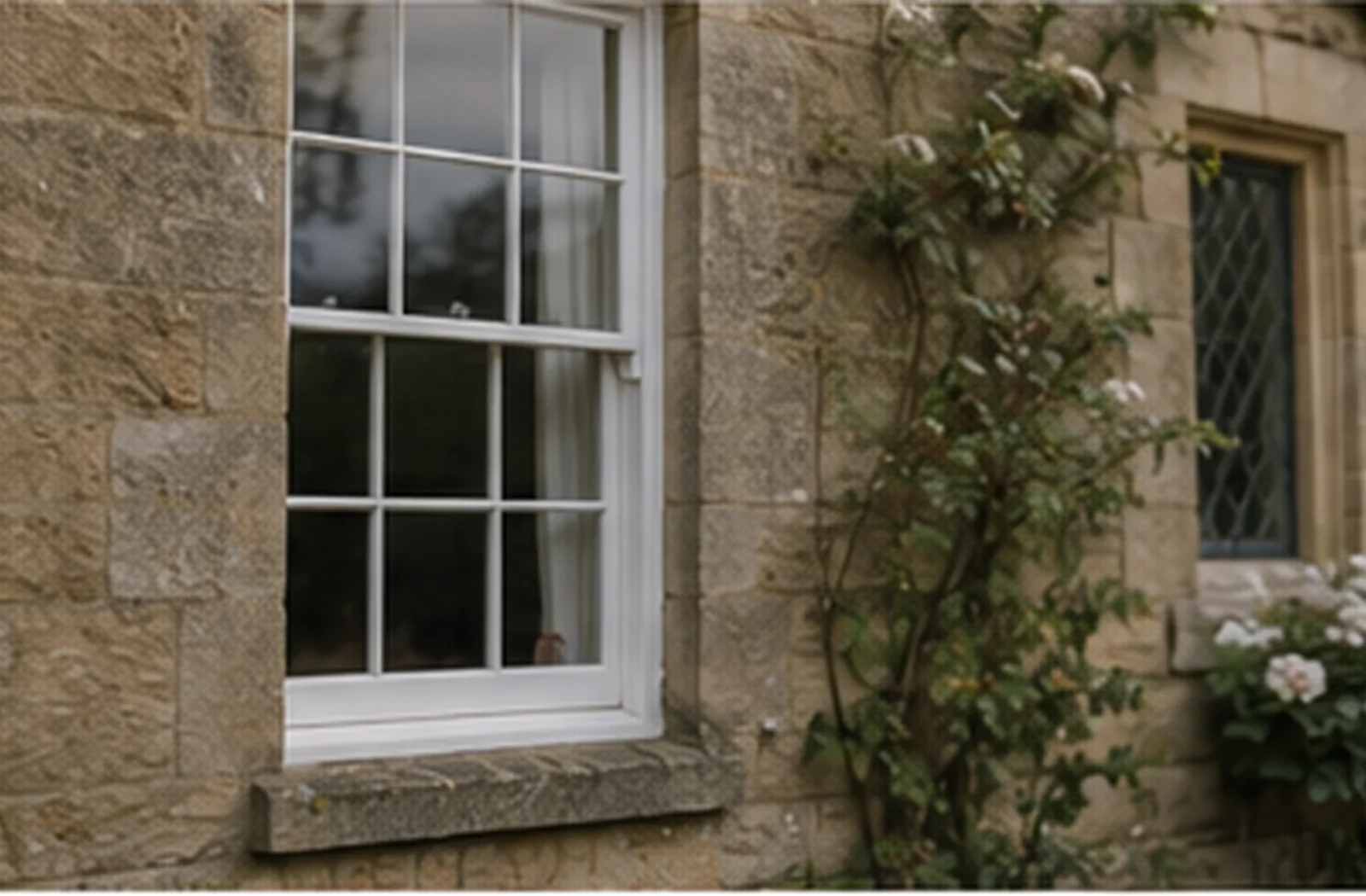
Old buildings behave differently. Lime mortar and soft brick are meant to breathe and to move; modern cleaning methods trap water in them or take the face off entirely. A pressure washer on soft red brick removes the fired skin and leaves a surface that soaks up water for the rest of its life. This work is slower, gentler, and done in the knowledge that a mistake on a two-hundred-year-old wall is permanent.
What it protects
The face of the brick
A handmade brick has a fired skin a millimetre or two thick, and that skin is the only weatherproof part of it. Take it off with a pressure washer and the soft brick behind drinks water for the rest of its life. Nothing grows it back.
The mortar, and the wall it holds up
Lime mortar is meant to be the soft part. It moves, it carries the salts out, and it is meant to be replaced — that is the entire design. Strip the lime and leave hard cement pointing behind and the movement has to go somewhere else instead, which means into the brick. The brick is the expensive half.
Your position, if it is listed
Carrying out work to a listed building without consent is a criminal offence rather than a planning irregularity, and it follows the owner. We would far rather tell you to go and ask the conservation officer first than be the reason you have that conversation afterwards.
What it covers
- Assessment before anything elseSubstrate, mortar type and condition, on site. Nothing is cleaned until we know what it is made of.
- The gentlest method that worksLow pressure, appropriate biocides, hand work. Never a rotary surface cleaner on historic masonry.
- Soft brick and stone by handNatural bristle and patience, in the places where a machine would be quicker and worse. Slower is not a compromise here, it is the specification.
- Lime-safe productsNothing that will attack lime mortar or leave salts behind in the fabric.
- Lichen treated, not scrapedLichen on old stone is not sitting on the surface, it is holding into it. Killing it and letting it release in its own time is the only way off that does not take stone with it.
- Test patchesAn agreed area cleaned first, in a discreet spot, and looked at together before we go further.
- The elevation recordedPhotographs of the building as we found it, close enough to show the surface. On a building this old the record is worth nearly as much as the cleaning.
- Consent, honestly handledIf the property is listed and the work needs consent, we will say so. We would rather lose the job than put you in front of a conservation officer.
- What we will not doNo rotary surface cleaners, no abrasive blasting, no chemical strippers on historic fabric and no cement repairs. If that is genuinely what the job wants, we are the wrong firm, and we will tell you so rather than take the money.










Perfect for
Owners of period, listed and character properties, where the wrong method causes damage that cannot be undone.

How often
Annual care, with methods chosen for the age and materials of the building rather than from a standard list.
Less often than modern buildings, and only when it is genuinely needed. Over-cleaning is itself a form of damage.
Everything we use is safe around pets, children and planting. Nothing we apply to your home should cost you your lawn or worry you about the dog.

What it costs
Quoted per property after a site visit. Heritage work does not price sensibly from a table. We measure the property from survey data before we quote, so the figure we give you is worked out from your building rather than guessed from the kerb. Every quote is confirmed on site before any work starts, and we will tell you if we think you do not need the work.